Home security systems are designed to serve different purposes. For instance, burglar alarms detect potential intrusions and alert you, while CCTV cameras let you monitor activity around your property.
Some systems combine both functions to provide a more comprehensive approach to home security. Although each option can help protect your home, the best choice depends on what you want to secure and how you want to monitor it.
If you’re considering installing a system, this guide will show you how to choose a home security system by comparing the available options, identifying the features you need and understanding what to consider before investing.
Key Takeaways
- Knowing how to choose a home security system starts with identifying the areas of your property you want to protect.
- Different home security systems offer different features, so choose options that match your property’s security needs.
- When deciding how to choose a home security system, consider whether DIY or professional installation is more suitable for your property.
- The total cost of a home security system includes more than the initial purchase and installation price, so account for any ongoing charges.
6 Things to Consider When Choosing a Home Security System for Your Home
- Assess Your Home’s Security Needs
Start by considering the areas of your home you’d like to protect. Are there ground-floor windows that are easy to reach, a side gate that leads to the back garden, or a driveway you can’t see from your living room?
You might also have concerns about who approaches your front door or what happens around your property at night. Next, think about how you’d like to monitor and secure these areas.
Would you like to see who’s at your front door before answering, receive alerts about activity when you’re away, or view your property through your phone?
These details will help you decide how to choose a home security system that suits your home and gives you the protection you’re looking for, whether you’re researching security systems yourself or discussing your requirements with a professional.
- Compare Home Security Systems and Their Features
An important part of knowing how to choose a home security system is understanding which options address your particular security concerns.
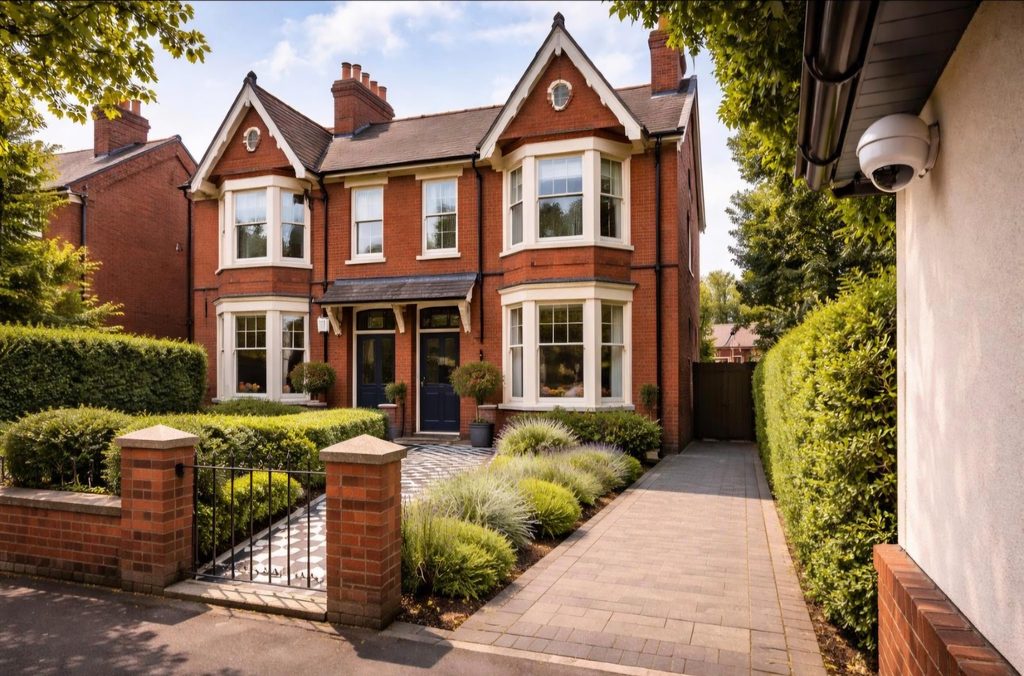
If you want to see who’s at your front door before answering, a video door entry system allows you to view visitors before granting access. If you’re more concerned about activity around your driveway, garden or other parts of your property, CCTV cameras can help you monitor those areas.
Other options offer different forms of protection. An intruder alarm can alert you to potential intrusions, while access control and gate automation allow you to manage who can enter your property.
Security lighting can also illuminate darker areas around entrances and pathways. You don’t necessarily need to choose just one. For example, combining CCTV with an intruder alarm gives you both video surveillance and alerts about potential intrusions.
The right combination will depend on your property’s layout and the level of security you want. If you’re not sure which options are suitable, a professional installer, like GK Electrical Contractors can help you assess your requirements.
- Consider the Installation Requirements
Some home security systems are designed for DIY installation, allowing you to buy the equipment and set it up yourself.
Others are professionally installed, which means a contractor handles the equipment setup and configuration.
If you’d rather not deal with the installation yourself, or want several devices integrated into one system, professional installation may be more suitable. You’ll also need to consider how the equipment connects.
Wired systems use cables to connect cameras, alarms and other devices, which may involve running cables through walls or other parts of your property.
Wireless systems communicate using wireless signals, offering more flexibility when positioning equipment, although they still need a reliable signal and a suitable power source.
The right installation approach depends on your property, the equipment you need and how much involvement you want in setting up the system.
- Understand the Total Cost of a Home Security System
Before going ahead with a home security installation, find out what the quoted price includes. Does it cover the equipment, installation and any additional materials needed?
If your property requires extra cameras, sensors or cabling to cover the areas you want to protect, these could increase the overall cost. It’s also worth asking about expenses after installation.
Some systems require monthly subscriptions for services such as cloud storage or professional monitoring. Others allow you to store CCTV footage locally without a subscription.
Depending on the system, cancelling a subscription could also mean losing access to certain features or recorded footage. Understanding both the initial cost and any ongoing charges will help you know what you’re committing to before the work begins.
- Check the Installer’s Experience
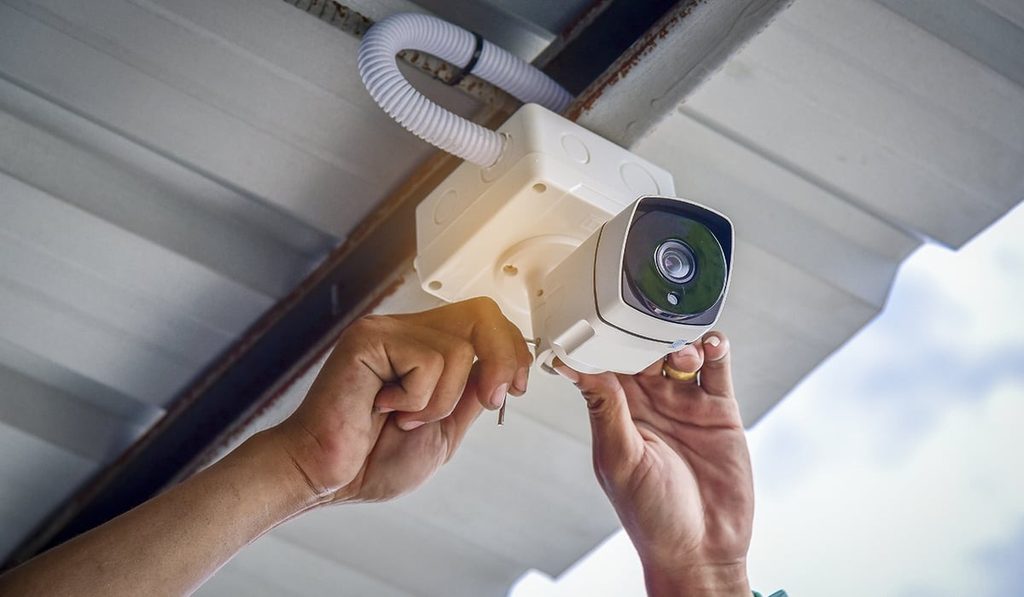
Before choosing an installer, check that they have experience with the type of home security system you need.
For example, installing CCTV, intruder alarms and access control systems involves different equipment and installation requirements. Look for a contractor with experience in the services you’re interested in and a track record of similar work.
You can look at examples of previous installations and read customer reviews to get an idea of the contractor’s workmanship and reliability.
It’s also worth checking relevant industry accreditations, particularly if you’re having an intruder alarm installed or require a monitored alarm service.
Finally, find out what happens after the installation. Check whether there’s a warranty, whether maintenance is available and who to contact if you need help or something stops working.
- Check the System’s Backup Options
One thing you might not think about when choosing a home security system is what happens if your electricity or internet connection goes down.
A power cut could stop some equipment from working, while an internet outage could prevent you from viewing cameras remotely or receiving alerts on your phone, even if the cameras continue recording.
When exploring your options, check whether the system has backup power and can store footage without an internet connection.
If you want your cameras to keep recording during a power cut or need to view footage after an internet outage, find out which equipment and features will allow you to do so.
This will help you choose a system that works as you expect, even when your usual power or internet connection is unavailable.
Find a Home Security System That Suits Your Property
Your home should feel secure whether you’re inside, away for the day or on holiday. With the right security setup, you can help you monitor your property, control access and respond to potential security threats.
Whether you need CCTV, an intruder alarm or a combination of different security solutions, it’s important to have a system that works for your property and gives you confidence in its protection.
If you’re planning a home security installation, GK Electrical provides a range of solutions, including CCTV, intruder alarms, access control, video door entry systems, gate automation and security lighting.
Want to improve your home’s security without having to work through all the options yourself? Speak to the trusted electricians at GK Electrical today.
Frequently Asked Questions
- Which Is Better, CCTV or an Intruder Alarm?
CCTV and intruder alarms serve different purposes, so the better option depends on the protection you need. An intruder alarm detects potential break-ins and alerts you or others, while CCTV allows you to monitor activity around your property and review recorded footage.
Using both together can provide an additional layer of security by combining intrusion alerts with video surveillance.
- What Are the Four Types of Home Security Systems?
Common solutions can be grouped into four broad categories: intruder alarms, CCTV systems, access-control and video door-entry systems, and integrated smart security systems.
- What Security System Do Burglars Hate?
Visible security measures can make your property less attractive to opportunistic burglars. CCTV cameras, visible intruder alarm boxes and well-positioned outdoor lighting can help deter potential intruders by making it harder to approach your property unnoticed.
However, no security system can guarantee that a burglary won’t happen, so it’s important to combine electronic security with physical measures such as secure doors, windows and locks.
- Which CCTV Is Best for Home Security?
The best CCTV system depends on your property and the areas you want to monitor. Important considerations include camera placement, image quality, night-time performance, recording and storage options, and whether you want to view footage remotely through your phone.
A suitable system should provide clear footage of the areas that matter while respecting the privacy of neighbours and other people. If your cameras capture areas beyond your property boundary, UK data protection requirements may also apply.