
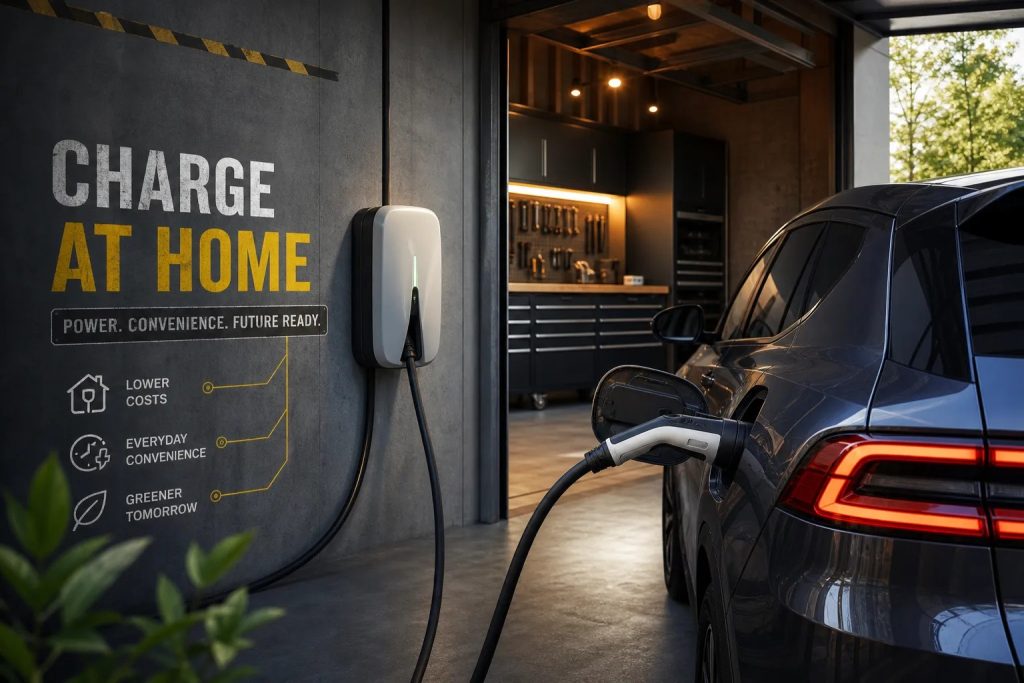
Having an electric car is convenient, but charging it at home can make everyday ownership even easier.
Instead of relying on public chargers or waiting for hours using a standard three-pin socket, a dedicated EV home car charger can give you more convenient charging whenever your car is parked at home.
However, choosing the right charger can feel confusing. You may be wondering which charger will suit your car, whether your home can support it, and how much installation will cost. But it doesn’t have to be.
At GK Electrical Contractors, we install domestic EV charge points across Surrey and Greater London. So, we have put together this guide to help you understand your options.
What Should You Consider Before Choosing an EV Home Car Charger?
Choosing an EV home car charger is not just about picking a model. You need to consider how you want to connect your car, how quickly you need it to charge and what your home’s electrical supply can support.
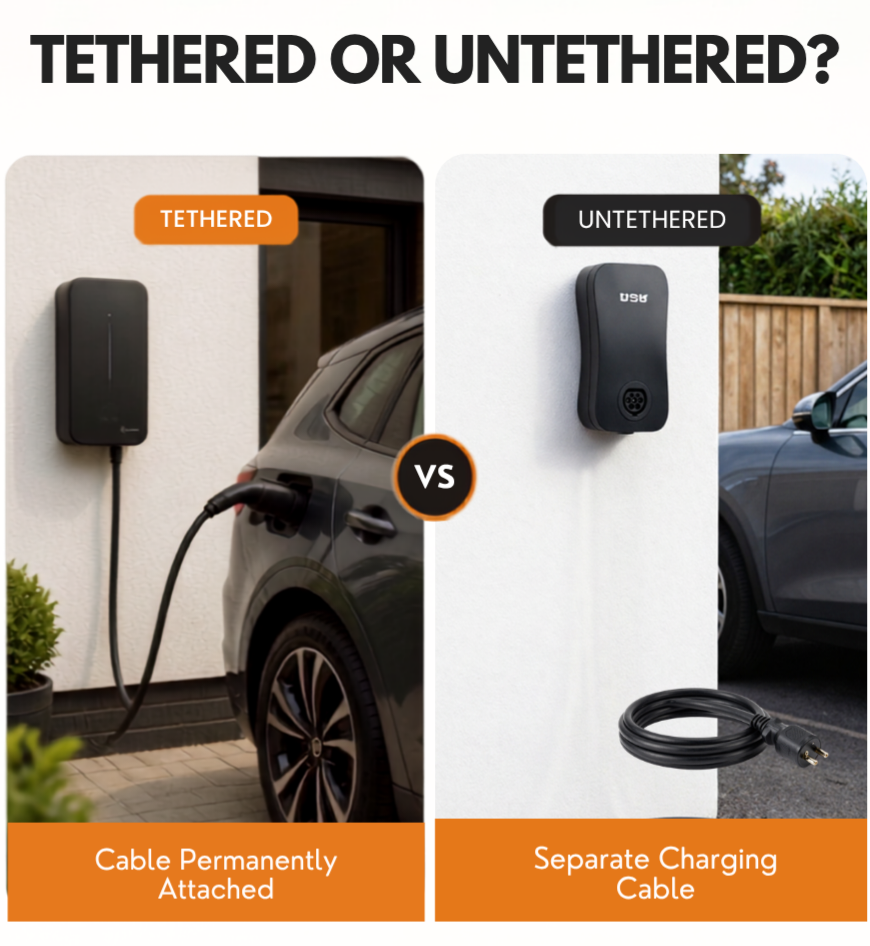
Tethered vs Untethered EV Chargers
One of the first decisions to make is whether you want a tethered or untethered charger.
- Tethered EV Charger
A tethered charger has the cable permanently attached to the wall unit. All you have to do is pull up, take the cable from the charger, plug it into your car and start changing.
Because the cable is always attached, there is no separate cable to carry, store or worry about losing. The tethered EV charger is a convenient option for UK households with a single EV.
However, the fixed cable also means you are limited to the cable length and connector type supplied with the charger.
That means if you change to a different EV in the future that uses a different connector, you may need to replace the charger rather than simply buying a new cable.
- Untethered EV Charger
An untethered unit has a socket on the wall rather than a cable that is permanently attached. When you need to charge your car, you just have to connect a separate charging cable.
This can be a good option if you have two EVs, regularly switch between vehicles or simply prefer a cleaner-looking installation without a cable hanging from the charger.
For most modern EVs in the UK, type 2 is the standard connector. A 7.5-metre Type 2 cable is a popular choice for many driveways because it gives you enough length to reach the car without having too much cable to manage.
However, the right cable length will depend on where your charger is installed and where you normally park your car.
What Charging Speed Do You Need?
Most home chargers in the UK offer up to 7.4kW, which is the standard charging speed for most homes and is generally enough for overnight charging.
If you need faster charging, a 22kW charger can offer a higher charging rate. However, this requires a three-phase electricity supply, which is less common in UK homes.
It is also important to check your car’s maximum charging rate, as not every EV can accept 22kW.
Which EV Home Car Charger Is Right for Your Home?
Rather than comparing every EV charger on the market, it makes more sense to focus on what suits your home and how you plan to charge your car.
The options below cover everyday charging, solar and smart tariffs, as well as good-value choices.
- Best Chargers for Everyday Home Charging
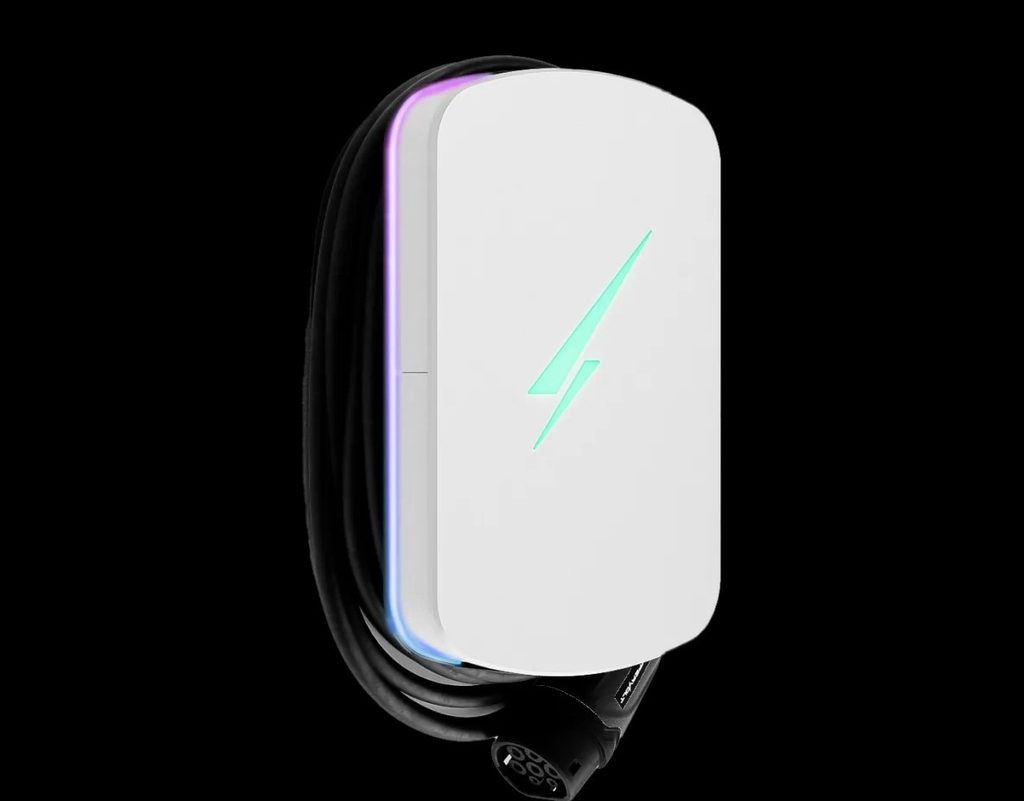
For everyday home charging, the Hypervolt Home 3 Pro is a strong option. It is a 7.4kW tethered charger with a well-designed app and good build quality. The charger itself costs between £750 and £1,000, before installation.
Another option you can consider is the Wallbox Pulsar Plus. It is available as both a tethered and untethered charger and typically costs around £550 to £750, before installation.
It also offers dynamic load balancing, which can be useful when you are using several high-power appliances at home at the same time.
- Best Chargers for Solar Panels or Smart Tariffs
If you have solar PV on your roof, the myenergi Zappi v2.2 is a strong choice. It can monitor how much electricity your solar panels are generating and use any surplus energy to charge your EV.
So, rather than simply scheduling your car to charge, it can direct spare solar power straight to your car. The charger typically costs around £750 to £900 before installation.
For drivers using a smart tariff such as Intelligent Octopus Go, the Ohme Home Pro is a standout option. It connects with compatible smart tariffs and can automatically schedule your car to charge during cheaper periods, including overnight.
This means you wouldn’t have to set the charging times yourself. The charger costs around £530 to £900 before installation.
- Good-Value Options for Homeowners

You do not need to choose the most expensive charger to get reliable charging at home. The Rolec EVO and Easee One are both worth considering for everyday home charging.
The Rolec EVO starts from £449 including VAT for the chargepoint only. It is available in 7.4kW and 22kW versions and offers useful features such as scheduled charging, smart tariff integration, surplus solar charging and dynamic load balancing.
The Easee One is a compact 7.4kW home charger designed for UK homes. It supports smart charging and load balancing and can be installed with or without a permanently attached charging cable. Prices currently start from £899 including standard installation.
Smart Features to Look For When Choosing a Home Electric Car Charger
There are certain EV charging features that can make home charging more convenient and help you use electricity more efficiently. Some of the features you can look out for include:
- Scheduled Charging and Off-Peak Tariffs
The scheduled charging feature allows you to set specific times for your EV to charge. This means you can choose when charging starts and, depending on the charger, when it stops, rather than charging immediately when you plug in.
If your electricity is cheaper at certain times, you can use scheduled charging to make sure your EV charges during those cheaper periods. This can help you reduce your charging costs.
It can also be useful if you regularly charge your EV overnight, as you can set your charger to start charging at a time that suits your routine. Over time, this could help reduce the cost of charging your EV.
- Solar Charging
The solar charging feature allows your EV charger to use electricity generated by your home’s solar panels to charge your car.
Depending on the charger, it may either schedule charging for periods when solar generation is expected to be higher or adjust the charging rate in real time to make use of surplus solar energy.
If you have solar panels, this can help you use more of the electricity your system generates to charge your EV and potentially reduce the amount of electricity you need to buy from the grid.
- Dynamic Load Management
Dynamic load management allows your EV charger to adjust its charging speed when other high-power appliances in your home are using electricity.
For example, if your EV is charging while you are using the oven, washing machine or another high-power appliance, the charger can temporarily slow down the car’s charging.
Once those appliances are no longer using as much electricity, the charger can increase the charging speed again.
This can help prevent the electricity supply in your home from becoming overloaded and causing the power to trip. It is particularly useful if you regularly use several high-power appliances while charging your EV.
How Much Does an EV Home Car Charger Cost?
The total cost of an EV home car charger usually depends on the charger you choose and what is involved in installing it at your home.
For a standard 7.4kW home charger, you can expect to pay around £450 to £800 for the charger itself, depending on the model and its features.
You will then need to factor in the cost of installation. For installation, labour typically costs around £300 to £550. This means you could expect to pay around £800 to £1,200 in total for a standard home EV charging point.
If you choose a premium charger, your costs can be higher. For example, the Andersen A3 costs around £1,200 to £1,600 for the charger alone.
It is designed for homeowners who want a charger that fits neatly with the appearance of their property.
What Can Increase Home Electric Car Charger Installation Cost?
When it comes to the total cost of an EV charger installation, certain factors can increase the initial cost. Some of these include:
- Consumer Unit Upgrade: If your existing consumer unit does not have enough capacity or space for the charger, an upgrade could add around £300 to £800.
- Long or Concealed Cable Route: If your charger is some distance from your consumer unit, or you want the cable concealed, this could add around £150 to £500 or more.
- Trenching Across Your Driveway: If the cable needs to be buried beneath your driveway, you could pay an additional £200 to £500 or more.
- Earth Rod Installation: Depending on your home’s earthing arrangement, an earth rod may be required, adding around £100 to £200.
Once these additional requirements are taken into account, a realistic budget is usually around £1,200 to £1,600, while more complex installations can approach £2,000.
However, before you choose a charger, an electrical assessment can help you know what your home needs and whether any additional work is required.
Can You Get a Grant for an EV Home Car Charger?
Many people assume government support for home EV chargers has ended. However, grants are still available in 2026 and could help reduce the cost of having a charge point installed, depending on your circumstances.
The EV Charge Point Grant covers 75% of the installation cost, up to £500, for eligible renters and flat owners, including those in shared ownership properties.
You can also qualify if you have designated on-street parking and meet the requirements for an approved cross-pavement charging solution, while residential landlords can receive up to £500 per socket.
However, If you own a house with a standard private driveway, you will not qualify for the household grant. If you are eligible, applying is simple.
First, check that your vehicle and chosen charge point are approved. Then, contact an OZEV-authorised installer, who can apply the grant directly to the installation cost. As a result, the amount you need to pay upfront is reduced.
What Does EV Home Car Charger Installation Involve?
Having an EV home car charger installed involves more than simply fixing the unit to the wall and connecting it to your electricity supply.
Before installation begins, a qualified electrician needs to check your home’s electrical system, like:
- Your consumer unit to identify if it has enough capacity and the appropriate RCD protection for the charger.
- Your earthing system to check if it is suitable for an EV charger and whether additional protection is needed.
- Your cable route to determine how the cable will run safely from the consumer unit to your parking space.
- Any electrical upgrades to identify if additional work is needed before the charger can be installed.
Choosing the Right EV Home Car Charger for Your Home
The right choice of EV home car charger depends on factors such as the type of charger, charging speed, smart features, your electrical system and the installation work involved.
Once you understand these factors, you can choose a charger that suits both your car and your home. For homeowners across Surrey and Greater London, GK Electrical Contractors can assess your electrical system, help you choose a suitable charger and carry out the installation through to certified completion.
So, contact us for your home EV car charger installation.
Arrange your assessment today and make sure your EV home car charger is suitable for your home and installed correctly.
Frequently Asked Questions
- Which Is Better, a 3kW or 7kW Home Charger?
A 7kW home charger is generally the better choice for most UK homeowners because it can charge an EV considerably faster and is suited to a typical single-phase domestic supply.
- What Is the 80/20 Rule for EV Charging?
The 80/20 rule generally means keeping your EV’s battery between 20% and 80% charge for everyday driving, as spending long periods at very high or very low charge levels can increase battery stress.
- What Is the Difference Between Type 1 Type 2 and Type 3 EV Chargers?
Type 1 is a five-pin, single-phase AC connector mainly used in North America and some older EVs, while Type 2 is the standard AC connector in the UK and Europe and supports single- or three-phase charging. Type 3 is an older connector design that saw limited use in Europe and is now rarely used in modern EVs.
- What Is the Lifespan of an EV Charger?
A good-quality home EV charger can typically last around 10–15 years when properly installed and maintained, although its actual lifespan depends on build quality, environmental conditions and usage. Warranties vary by manufacturer, with some current home chargers offering warranties of three years or more.